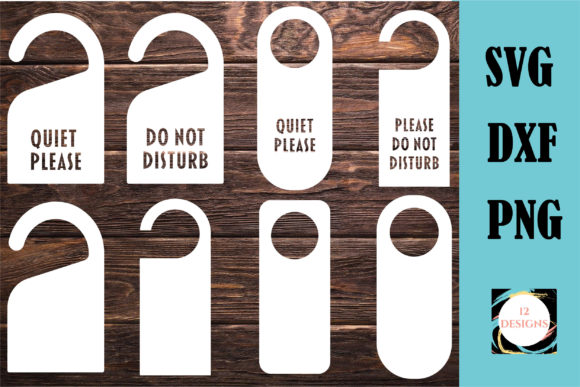
Door Hanger SVG Templates: Practical Craft Files
Door hangers are as functional as they come. They’re a simple, direct way to communicate—whether it’s a “Do Not Disturb” sign for a home office, a welcome message on a guest room, or a promotional piece for a small business. The right template makes creating these tools straightforward. Here are door handle SVG templates that you'll find useful for your home or office needs. This cut file is for use with electronic cutting machines. You will receive a zip file that includes: 1 SVG, 1 DXF, 1 PNG file. Enjoy using the file in any of your craft creations. Happy creations.
Understanding the File Formats for Your Projects
The utility of these templates lies in their versatility across different platforms and machines. The SVG file is the vector format, ideal for scaling to any size without losing quality. This is your go-to for Cricut Design Space and Silhouette Studio Designer Edition. The DXF file is specifically for the basic edition of Silhouette Studio, ensuring broad compatibility. The PNG file offers a high-resolution raster image with a transparent background, perfect for print-and-cut projects or using as a graphic element in other design software. This trio of files covers the most common needs for crafters and designers using electronic cutting machines.
Visual Style and Real-World Application
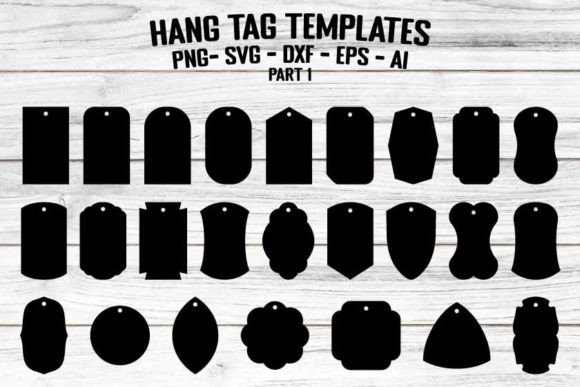
These door hanger templates typically feature clean, bold outlines designed for easy weeding and cutting. The shapes are classic—ovals, rectangles, and themed silhouettes like a house or a coffee cup. The personality is straightforward and functional, focusing on clear communication over ornate detail. This makes them incredibly adaptable. You can use them as-is for a quick project or use the cut shape as a base to layer your own custom text, logos, or decorative vinyl designs. The overall appeal is in their reliability; they provide a solid foundation for a finished product that looks professional and serves its purpose well.
Where do these templates shine? Their strength is in physical, tangible applications. Think beyond the obvious hotel door hanger. They are perfect for small business marketing—creating a batch of “Open/Closed” signs for a boutique or a salon. For home organization, they help label pantry doors, craft rooms, or kids’ play areas. In office settings, they manage meeting room availability or indicate remote work status. For events, they make unique place cards or favor tags. The design is inherently about interaction, making them a useful tool in any environment where space needs to be defined or a message needs to be delivered at a glance.
Making Them Work: Design and Practicality
While the template provides the shape, your design choices dictate the final impact. Readability is paramount. If you’re adding text, choose a typeface that is legible at the size you’re cutting. A bold sans serif font often works best for clear commands, while a script font can add a welcoming touch for guest rooms. Consider the visual hierarchy: the most important word or phrase should be the most prominent. The color of your vinyl or cardstock against the base material creates contrast, which is essential for the message to be seen from a few feet away.
Consistency is key if you’re using these for a brand. A small business might create a set of door hangers for different departments or promotions. Using the same template shape and a consistent font pairing across all of them reinforces brand identity and looks polished. It’s a small detail that contributes to a cohesive customer experience. The template ensures the physical form is uniform, allowing your branding elements to be the variable that communicates the specific message.
Tips for Selecting and Using Your Template
Before you start cutting, a little preparation goes a long way. First, evaluate the template’s complexity. A design with very intricate, tiny details might be beautiful but could be frustrating to weed, especially if you’re new to crafting. Simpler, bolder shapes are more forgiving and faster to produce. Always do a test cut on a scrap piece of your material to ensure your machine’s settings (blade depth, pressure, speed) are correct. This saves time and material.
When choosing your materials, think about durability and context. For a door hanger that will be handled frequently or used outdoors, a sturdy cardstock or a waterproof vinyl is a better choice than standard paper. Consider the finish—matte, glossy, or even a textured material can change the final look and feel. If you plan to sell these items, always check the license of the SVG file. The provided license for these templates is for personal and small commercial use, which is common for design assets in the crafting community, but it’s good practice to verify for larger-scale production.
Finally, think about the user experience. The hole for the door handle should be cut cleanly and be large enough to fit without struggle. The overall weight and balance of the hanger matter—a top-heavy design might swing or hang crooked. By starting with a well-designed template and applying thoughtful craft techniques, you transform a simple cut file into a useful, professional-looking object that fulfills its function beautifully. It’s a perfect example of how practical design, executed well, adds real value to everyday spaces.