Neck Label Templates: Elevate Your Brand's Finishing Touch
That small piece of fabric stitched inside the collar of a t-shirt or sweater is often the first and last thing a customer touches. It’s a tactile brand handshake. A generic, scratchy, mass-produced tag can cheapen an otherwise quality garment. Conversely, a thoughtfully designed neck label speaks volumes about your attention to detail and brand integrity. This is where specialized Neck Label Templates become an indispensable tool for modern apparel brands, designers, and creators.
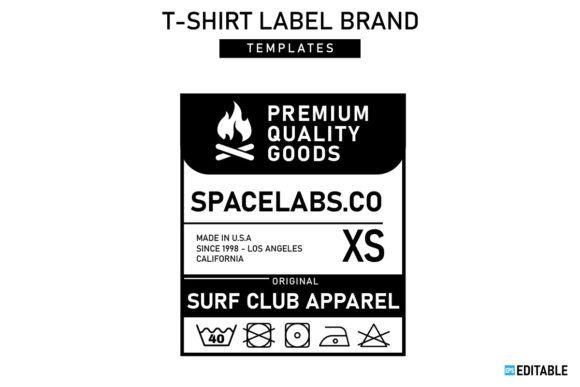
Think of these templates not as a rigid font, but as a complete design asset. They provide a foundational visual framework—often featuring clean lines, balanced proportions, and pre-configured text fields for essential information like size, care instructions, and your logo. The "personality" of a good template is one of professional clarity and customizable style. It’s a starting point that ensures your labels are functional, compliant, and aesthetically aligned with your brand identity. Whether your brand leans minimalist, vintage, streetwear, or artisanal, the right template offers a polished canvas.
Practical Applications Beyond the Hang Tag
While their primary home is on a garment's neck label, the utility of these vector templates extends much further. The true value lies in their adaptability. Because they are supplied in formats like EPS, you can easily transform, scale, and recolor every element without quality loss. This makes them perfect for:
- Packaging Design: Adapt the label design for care instruction booklets, packaging sleeves, or thank-you cards.
- Brand Collateral: Use the visual style to create cohesive business cards, letterheads, or social media graphics that echo the detail of your physical products.
- Digital Mockups: Place your custom label onto realistic apparel mockups for your e-commerce store or portfolio, presenting a complete and professional brand experience.
- Editorial & Content: Integrate the label aesthetic into lookbooks, style guides, or blog post graphics to reinforce brand consistency across all touchpoints.
This versatility is what separates a simple download from a strategic design asset. It’s about building a visual system where your digital presence and physical product feel unified.
Making It Work: Guidance for Designers and Brand Owners
Choosing and implementing Neck Label Templates requires a practical mindset. Here’s how to approach it effectively:
- Evaluate the Foundation: Before you edit, assess the template's structure. Does it include clear zones for your logo, brand name, size, and mandatory care symbols? A well-organized template saves hours of reformatting.
- Prioritize Readability at Scale: Remember, these labels are small. Test your edited design at actual print size. A beautiful script font might look elegant on screen but become illegible when sewn into a collar. Often, a clean sans serif font or a sturdy serif font works best for critical information.
- Font Pairing is Key: The template might come with a suggested typeface, but you should pair it with your primary brand fonts. Use the template's font for the label-specific text (like care instructions) and your main brand font for the logo or brand name. This maintains hierarchy without conflict.
- Understand the Deliverables: You are typically getting a vector source file (EPS) and a JPG preview. The vector file is your editable master. Ensure you have the right commercial font licenses for any typefaces used or that you substitute with your own licensed fonts.
- Test Material and Print: The final design is only as good as its execution. Consider how the label will be printed (woven, heat-transfer, screen-printed) and on what material (satin, cotton, nylon). A design that looks sharp on paper may need adjustments for texture and weave.
In essence, Neck Label Templates are about professionalism and efficiency. They solve the specific, often overlooked, challenge of creating high-quality, customizable branding for the most intimate part of a garment. For a small business owner, this means presenting your products with the polish of an established brand. For a designer, it streamlines the production process, allowing you to focus on the creative vision. The result is a subtle but powerful boost to perceived value, customer trust, and overall brand identity cohesion.