Streamline Your Brand with Canva Instagram Templates
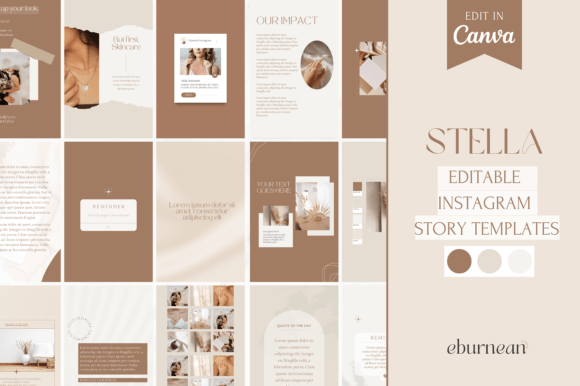
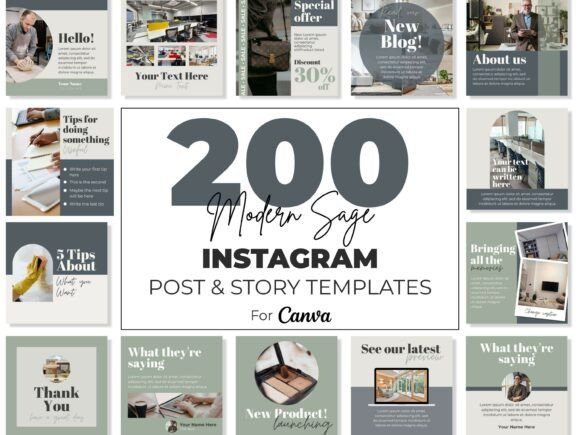
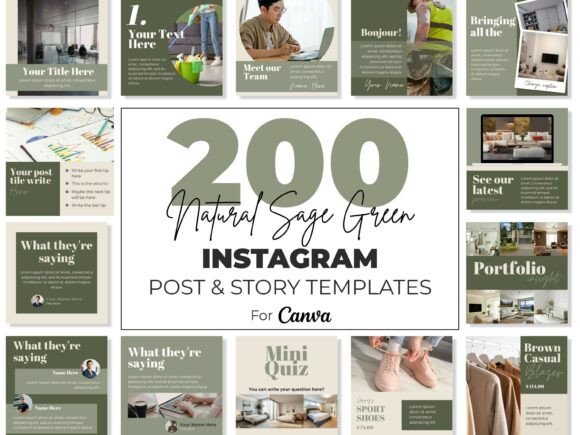
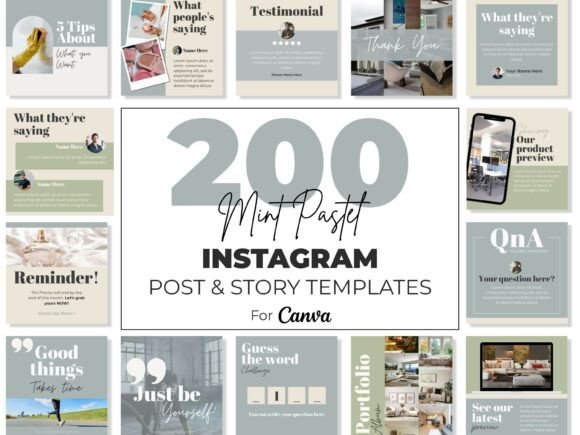
Consistency is the backbone of a strong digital presence, yet maintaining a cohesive aesthetic across Instagram posts and stories can feel like a full-time job. For entrepreneurs, small business owners, and content creators, the pressure to produce high-quality visuals daily often leads to burnout or inconsistent branding. This is where a practical design resource becomes invaluable. Instead of starting from a blank canvas every time, having a set of pre-structured Canva Instagram Templates allows you to focus on the message rather than the mechanics of layout and alignment. These templates serve as a foundational design asset, bridging the gap between amateur graphics and professional-grade social media content.
The Anatomy of Effective Visual Communication
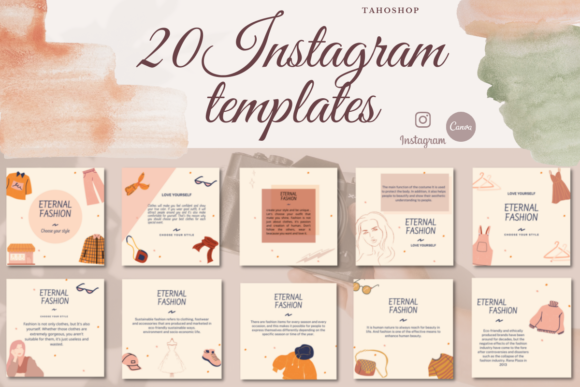
When we talk about typography and layout in the context of social media, we aren't just discussing aesthetics; we are discussing readability and visual hierarchy. A well-designed template handles the heavy lifting of modern typography, ensuring that your text is legible on mobile devices while maintaining a distinct personality. The collection in question features 20 specific templates centered around quotes on creation and passion. This niche focus is intentional. Themes of motivation and creativity require a specific design language—one that balances inspiration with clarity.
Unlike a complex editorial design or heavy packaging design, social media graphics need to communicate instantly. The styles included in this pack likely utilize a mix of sans serif font pairings for clean readability and perhaps script font or handwritten font accents to add a human touch. This interplay between typefaces creates a rhythm that guides the viewer's eye. For instance, a bold display font might grab attention for the headline, while a legible sans-serif body copy ensures the actual message isn't lost. By utilizing these templates, you are effectively borrowing professional design principles without needing a degree in graphic design.
Practical Application: Posts, Stories, and Brand Identity
The true value of these resources lies in their versatility. The pack includes 20 templates designated for IG posts and 20 for IG stories. This distinction is critical for brand identity. A static post is often curated and polished, living permanently on your grid. A story, however, is ephemeral and vertical. Having templates designed for both formats ensures your brand voice remains consistent regardless of where your audience encounters you.
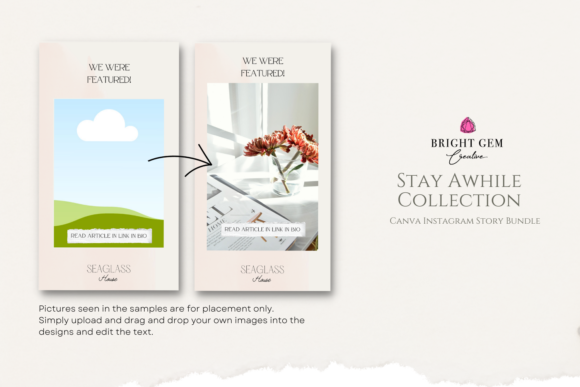
Consider a small business owner launching a new product. They might use a post template to announce the launch with a bold typographic statement. Later that day, they can use a matching story template to share a behind-the-scenes look at the creation process. This creates a seamless user experience. The templates act as a container for your content; you provide the photography or the specific quote, and the template provides the professional polish. It is a practical application of web design principles applied to social media—specifically, responsive design that adapts to different aspect ratios without losing the core aesthetic.
Workflow Efficiency and Canva Integration
One of the most significant hurdles in using premium design assets is the learning curve associated with complex software like Adobe Illustrator or InDesign. However, these templates are built specifically for Canva, a platform known for its accessibility. The workflow is designed to be frictionless. You begin by creating a free Canva account, which is a standard tool in many marketers and creators toolkits today.
The process involves downloading a PDF that contains direct links. This is a clever solution to file management issues. Instead of dealing with bulky zip files or confusing asset libraries, a single click on the "Click to edit" button transports the asset directly into your Canva workspace. This integration highlights the shift in digital asset management. It acknowledges that the modern creative professional values speed and interoperability. Once the template is in Canva, you have full control to manipulate colors, swap fonts, and adjust imagery to fit your specific brand identity, turning a generic template into a custom asset.
Customization and Font Pairing Strategies
While the templates provide a starting point, the ability to customize them is where your unique style comes into play. If you have a specific premium font or a brand typeface you prefer, Canva allows you to upload and integrate these into the design. This is where understanding font pairing becomes useful. If the template uses a heavy serif font for the headline, you might pair it with a lighter weight version of the same family for the body text to create contrast without clutter.
For those in publishing or blogging, these templates can be repurposed for more than just Instagram. A vertical story template, with minor adjustments to margins, can work beautifully as a web design element or a Pinterest pin. A square post template could serve as a chapter opener for a digital catalog or a visual break in a newsletter. The key is to view these not just as "Instagram templates," but as modular design assets. By changing the color palette to match your corporate guidelines, you maintain the professional look required for B2B communication while utilizing a format originally designed for B2C social engagement.
Evaluating Fit for Your Projects
Before integrating any new asset into your workflow, it is wise to evaluate its fit. Ask yourself if the visual personality of the templates aligns with your target audience. The themes of "creation and passion" suggest a style that is likely emotive, energetic, and perhaps slightly artistic. This works exceptionally well for designers, crafters, hobbyists, and entrepreneurs in the wellness, coaching, or creative industries.
However, if your brand is strictly corporate finance or heavy industrial engineering, you may need to strip back some of the decorative elements. Fortunately, because these are fully editable in Canva, you can mute the color schemes or swap a handwritten font for a more structured sans serif font to ground the look. The goal is to use the structure of the layout while adapting the surface-level aesthetics to match your commercial needs. Always test how the templates look with your own photography. A template that looks stunning with a stock photo might look cluttered with a busy candid shot, so reviewing the layout with your actual content is a necessary step in the design process.
Maximizing Engagement Through Design Consistency
Ultimately, the decision to use templates comes down to ROI—return on investment, both in terms of time and engagement. Social media algorithms often favor consistency. Accounts that post regularly with a cohesive look tend to perform better because they are easier for the audience to recognize in a crowded feed. By using a set of Canva Instagram Templates, you create a visual shorthand for your brand.
This consistency builds trust. When a follower sees a specific color palette or typographic style, they immediately associate it with your content. This is the essence of brand identity. It reduces the cognitive load on your audience, allowing them to focus on your message. Whether you are a marketer trying to drive traffic to a landing page or a publisher trying to sell a book, the clarity provided by a professional template is a silent salesperson. It signals that you care about the details, which translates to credibility in the eyes of your audience.